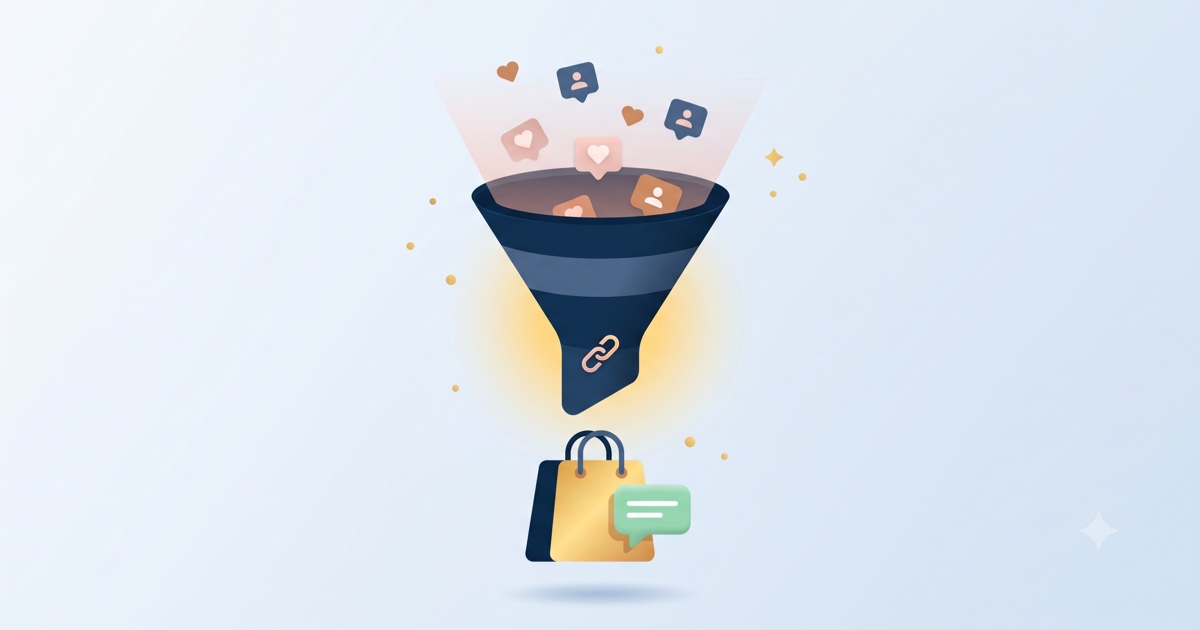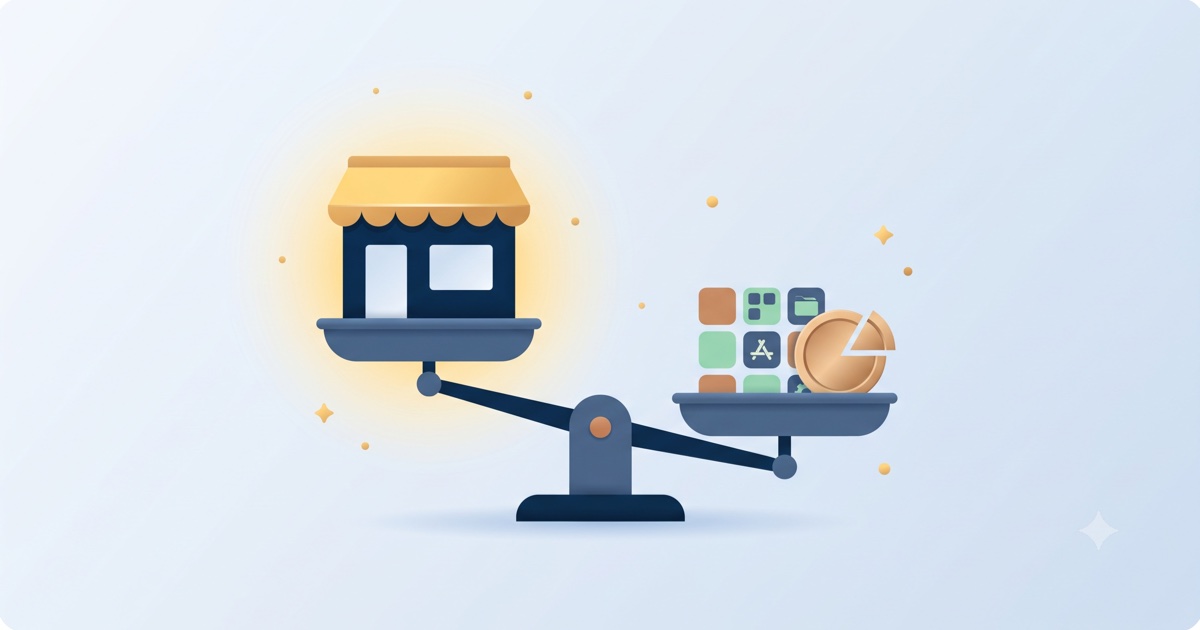
Aggregator and marketplace apps make a tempting promise: list your business, and customers appear. For a while it works. Then the invoice arrives, the commission comes off every order, and one day you realise the customers were never really yours. This is the trade every small business on these platforms eventually confronts. Here is an honest look at both sides, and why the answer for most businesses is not “either/or” but “own the relationship.”
What the apps actually cost
The convenience is real, and so is the price. Third-party food-delivery and service aggregators typically charge 15% to 30% commission on every order, and once you stack delivery fees, promotions, and payment charges, the all-in cost can climb well beyond that. Net margins on aggregator orders can compress to single digits, far below what the same customer would be worth to you directly.
That commission is not a one-time cost. It comes off every future order from that customer, forever, even the loyal regular who would happily order from you directly if there were an easy way to.
The deeper problem: you don’t own the customer
The commission is the visible cost. The hidden one is bigger. On a marketplace, the customer belongs to the platform, not to you:
- You rarely get their contact details. You cannot message them about a new offer or win them back.
- You compete on price, next to every rival, in a list designed to make you interchangeable.
- The platform can change the rules, the fees, or your ranking overnight, and you have no recourse.
- The reviews and the relationship build the platform’s brand, not yours.
You are renting access to your own customers, and the rent goes up. It is the same dynamic as relying only on social media, which we cover in do you really need a website in 2026: visibility you do not own is visibility that can be taken away.
What your own website changes
A website flips the ownership. When a customer finds you and books, orders, or enquires on your own site:
- You keep 100% of the sale. No commission on what you earn.
- The customer is yours: their contact, their next order, their loyalty. You can reach them again.
- You compete on being good, not just cheapest, with your story, reviews, and proof on show.
- The relationship builds your brand, so referrals and repeat business come back to you.
This is exactly the shift a home or service business makes when it stops depending on aggregator apps. Our AC repair example build tells the story: the same jobs, minus the middleman’s cut, with the customer relationship kept instead of rented.
The honest answer: use both, but own the core
This is not an argument to delete your marketplace listings tomorrow. For discovery, especially early on, they can genuinely bring new customers who would not have found you. The mistake is letting them be your only channel, because then you never escape the commission or own the relationship.
The smart setup:
- Use marketplaces for discovery, as one source of new customers, eyes open about the cost.
- Own the core with your own website and WhatsApp, and actively move customers there. A card in the delivery bag, a “next time, order direct and save” note, a WhatsApp follow-up.
- Make direct the easier, better option: your own booking or ordering that is genuinely simple, so a returning customer has no reason to go back through a platform that taxes you both.
Over time, the balance shifts. New customers may still arrive via the apps, but your regulars come direct, commission-free, and the margin you win back is enormous.
Frequently asked questions
Is it worth having my own website if I’m already on Yelp, Zomato, or Justdial? Yes. Those platforms are useful for discovery but charge commission and own the customer relationship. Your own website lets you keep the full sale, own the customer’s contact and loyalty, and build your own brand. Use marketplaces to get found, but own your core with your own site.
How much commission do delivery and aggregator apps take? Typically 15% to 30% per order, and the all-in cost can be higher once delivery fees, promotions, and payment charges are stacked. That comes off every order from that customer, indefinitely, which is why direct ordering is so much more profitable over time.
How do I get customers to order or book directly from me? Make direct the easier, cheaper option. Have your own website with simple booking or ordering and a WhatsApp button, then nudge customers there: a note in the bag, a follow-up message, a small direct-only perk. Regulars are happy to skip the app once direct is genuinely easy.
Do marketplace apps hurt my business? Not if they are one channel among several. They hurt when they are your only channel, because then you never escape the commission or own the customer. Balance them with a direct channel you control.
The bottom line
Marketplace apps rent you customers and tax every sale, forever. Your own website lets you keep the sale, own the relationship, and build a brand that brings people back. Use the apps for discovery if they help, but make your own site and WhatsApp the home your best customers return to. That home takes 30 minutes to build.